How early emotional pain with your mother may still be shaping your self-worth, inner voice, and ability to fully receive love
Why This Matters
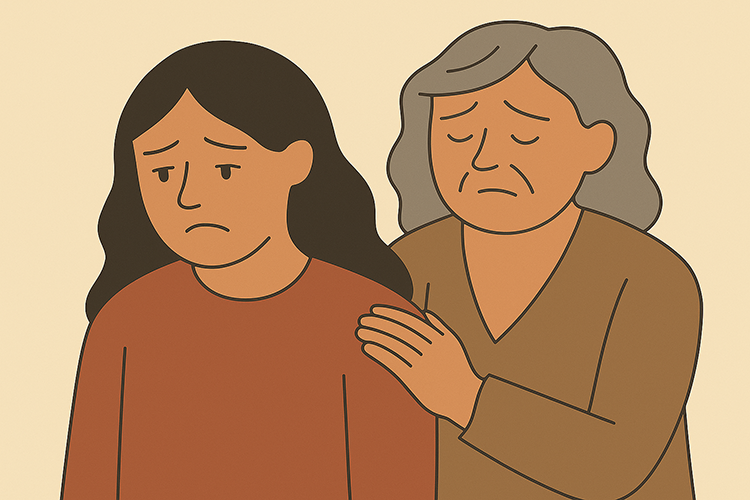
The mother wound doesn’t always show up as trauma.
Sometimes, it whispers in your inner critic.
It hides in your need to overgive.
It echoes in your discomfort with rest, receiving, or simply being seen.
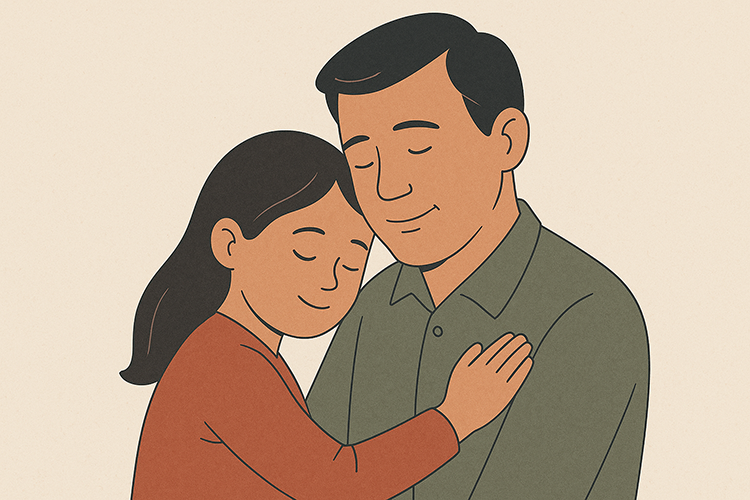
Your mother was your first mirror of what it meant to be a woman, to express emotion, to belong in a body, and to feel safe in the world.
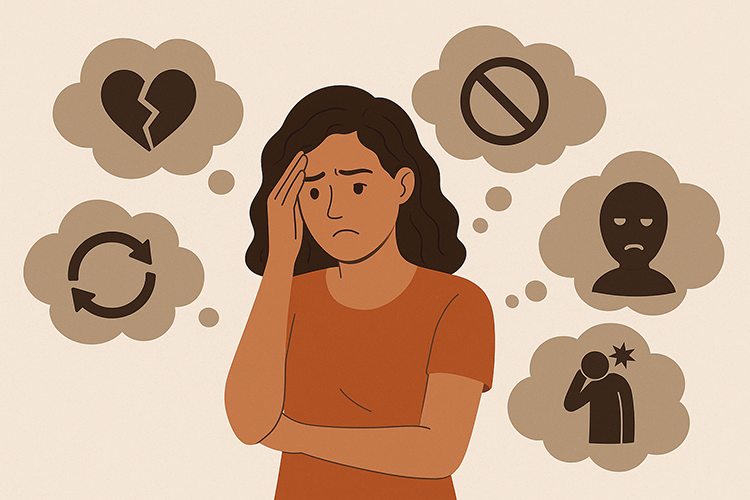
When that bond was strained — even subtly — it can create deep internal conflicts around identity, worth, and feminine expression. These wounds don’t just impact your relationship with your mother… they can block your relationship with yourself.
Let’s explore 7 subtle but powerful signs that you may still be carrying a mother wound — and how it might be disconnecting you from your own feminine energy.
1. You Have a Harsh Inner Critic
You rarely speak to yourself with softness. Instead of acknowledging how far you’ve come, you focus on where you’ve fallen short. You push through exhaustion. You downplay your wins. And even when others affirm you, it still doesn’t feel like enough.
This inner voice often mirrors your mother’s — whether she was critical of you, herself, or simply never modeled self-compassion.
Energetic message: “I must earn love by being better.”
2. You Fear Being a Burden
You hesitate to ask for help. You shrink your needs. You feel guilty when you rest or say no.
You may have learned early that love was conditional — available only when you were good, quiet, or helpful. Expressing emotion or needing too much felt unsafe.
Energetic message: “My needs are too much.”
3. (For Men) You Struggle to Trust or Connect with Women
You hesitate to ask for help. You shrink your needs. You feel guilty when you rest or say no.
You may have learned early that love was conditional — available only when you were good, quiet, or helpful. Expressing emotion or needing too much felt unsafe.
Energetic message: “My needs are too much.”
4. (For Women) You Reject Being a Woman, Mother, or Wife
You resist traditional feminine roles — not because they don’t align with you, but because they remind you of your mother’s struggles. If she felt unseen, overworked, or emotionally suppressed, part of you may have internalized womanhood as a sacrifice.
Energetic message: “If this is what being a woman means, I don’t want it.”
5. You Struggle with Self-Nurturing
You’re a giver. You support others with tenderness — but when it comes to yourself, you feel undeserving of the same care.
You may delay eating, resting, or tending to emotional needs. Or you carry guilt when you do.
Energetic message: “I don’t deserve softness.”
6. You Carry Unspoken Anger or Guilt Toward Your Mother
You love her — but part of you also feels hurt, disappointed, or unseen. Yet you suppress those emotions, fearing judgment, shame, or disloyalty.
This unspoken grief can create tension in your body and confusion in your heart.
Energetic message: “My truth will hurt her, so I’ll keep it in.”
7. You Fear Becoming Like Her — or Not Being Enough Like Her
You either distance yourself from your mother’s traits or feel inadequate compared to her. You may vow to never repeat her mistakes — or feel you’ll never measure up.
Both reactions keep you trapped in her shadow, rather than fully rooted in your own identity.
Energetic message: “I’m not free to be fully me.”
Healing Begins with Awareness
You don’t need to fix your mother. You don’t need her to change.
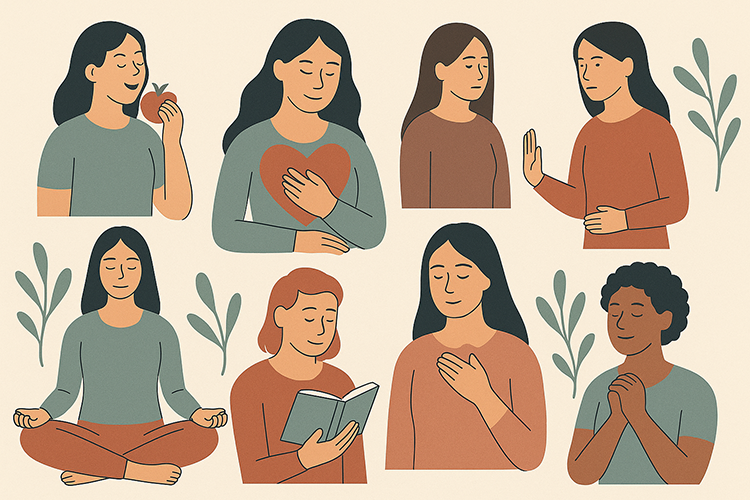
What you can do is give yourself the love, compassion, and emotional safety you longed for — starting now.
This is what it means to reparent yourself. To reconnect with the softness and strength of your feminine energy — without shame, guilt, or inherited fear.
Ready to Go Deeper?
Download the free 15-Point Self-Check: Do I Have a Mother Wound?
A gentle guide to help you reflect on inherited patterns, unmet emotional needs, and how they may be affecting your self-worth, boundaries, and ability to receive love.